The Bill Nobody Voted For
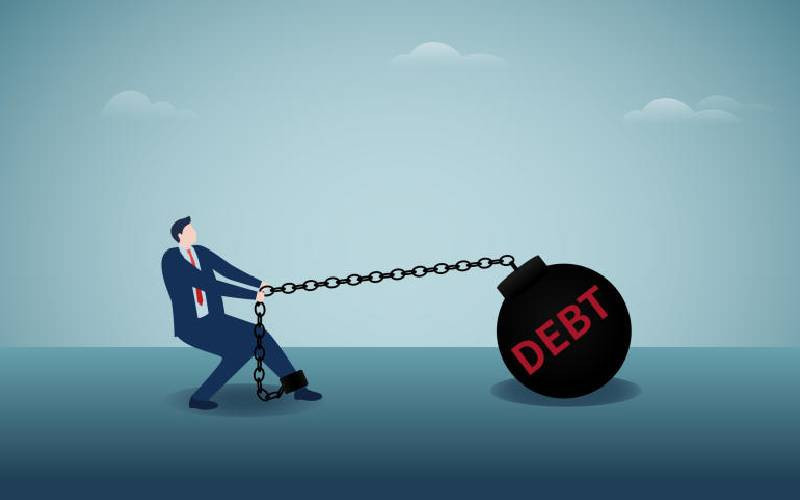
Here is what your government did without asking you: the National Treasury bypassed Parliament and went on a domestic borrowing spree so aggressive that it has now saddled Kenyan taxpayers with Sh861.7 billion in interest payments alone. That figure represents 82 per cent of Kenya’s total debt-servicing costs for the year ending June 2025. Read that again. Eight out of every ten shillings spent on debt repayment is going toward local loans.
This is not an abstract fiscal statistic. This is money that cannot build hospitals in Kisumu, cannot fix roads in Eldoret, cannot pay teachers in Garissa. Every shilling swallowed by interest payments is a shilling that never reaches you.
What the Auditor General Found
A new Auditor General report has laid bare the scale of the problem. External debt servicing — the loans Kenya owes to foreign creditors — cost taxpayers Sh183.6 billion, accounting for just 18 per cent of total debt-servicing costs. Domestic debt, by contrast, consumed more than three times that amount. Three times. Local borrowing has become dramatically more expensive than borrowing from abroad, and the Treasury pursued it anyway, without the parliamentary oversight that exists precisely to prevent this kind of unchecked financial decision-making.
The numbers expose a fundamental contradiction at the heart of government economic management. Officials have long justified domestic borrowing as a safer, more sovereign alternative to foreign debt. The Auditor General’s findings demolish that argument entirely.
Parliament Was Cut Out
The most damning detail buried in this report is not the figure itself — it is the process, or rather the absence of one. The Treasury moved to tap expensive domestic markets while sidestepping Parliament. That is not a technicality. Parliamentary oversight over borrowing exists to protect citizens from exactly this kind of fiscal recklessness. When that mechanism is bypassed, there is no check, no debate, no accountability. Just a bill that lands on your lap.
Young Kenyans who took to the streets in 2024 demanding fiscal accountability should feel a grim sense of recognition here. The system did not change. It simply found a quieter way to continue.
What Comes Next
The trajectory is not encouraging. Domestic debt servicing costs that now dwarf external repayments signal a structural shift in how Kenya finances its government — one that locks future budgets into an ever-tightening cycle of borrowing to repay previous borrowing. The expensive interest rates attached to local Treasury bills and bonds mean that the cost compounds fast, leaving less fiscal space for the social spending that ordinary Kenyans actually need.
The Auditor General has raised the red flag. The question now is whether anyone in power is listening — or whether the next audit will simply report an even larger number.